
Discover Roma
- About 2.8 million residents
- Lazio
- CET/CEST (UTC+1 / UTC+2)
History
Rome’s origins are steeped in legend. Tradition dates the city’s founding to 21 April 753 BC, when Romulus — according to myth suckled as an infant, along with his twin Remus, by a she-wolf on the banks of the Tiber — is said to have marked the city’s first boundary on the Palatine Hill and become its first king. From there, Roman history unfolds across three great eras: the Kingdom, the Republic, and finally the Empire, when Rome truly became the centre of the known world.
Under the emperors, the city filled with the monuments that still define it today: the Colosseum, the Imperial Forums, the Pantheon. Rome was “caput mundi,” capital of an empire stretching from Britain to North Africa, a crossroads of peoples, goods, and cultures. Many everyday habits from this era — from public baths to the street food sold by the “lixae” — survive in different forms in the city’s daily life even now.
The deposition of the last Western Roman emperor, Romulus Augustulus, in 476 AD marked the end of the Western Roman Empire, but not the end of Rome’s importance: in the centuries that followed, the city became the centre of Christianity and the seat of the Papacy, gaining the basilicas, piazzas, and Renaissance and Baroque artworks that still draw millions of visitors every year.
Rome became the capital of the Kingdom of Italy in 1871, after the Breach of Porta Pia, and today its many layers coexist naturally: the ancient world of the Forums, the religious heart of the Vatican, the Renaissance and Baroque historic centre, right through to the lively contemporary life of its neighbourhoods. It’s exactly this stacking of eras, visible on every street corner, that makes it the true Eternal City.
Did you know?
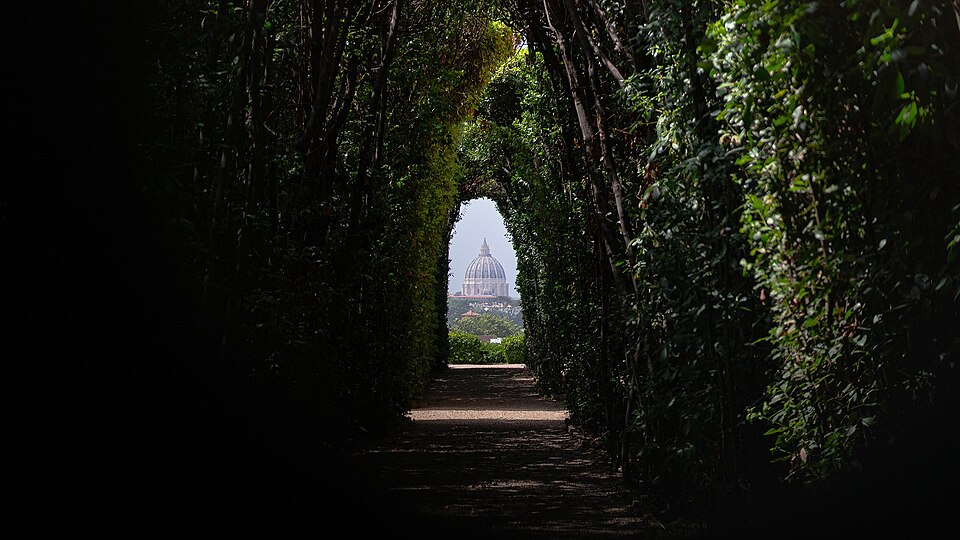
- The famous "Keyhole" is on the Aventine Hill, in the gate of the Knights of Malta's headquarters: peer through it and you'll see St. Peter's dome framed perfectly by a hedge-lined avenue, kilometres away.
- Rome has more free drinking-water fountains than any other city in the world: the "nasoni", over 2,000 of them scattered across the city, ready to refill a bottle.
- Two independent sovereign states sit inside Rome's borders: Vatican City and the headquarters of the Sovereign Military Order of Malta, a small palazzo on Via Condotti covering barely a hectare.
- Street food is nothing new here: in ancient Rome, vendors called "lixae" sold bread and fritters on street corners across the city.
- The Colosseum could be flooded through an underground network of channels to stage mock naval battles, or naumachiae, in front of tens of thousands of spectators.
- Rome's Jewish Ghetto, one of Europe's oldest, was sealed off with gates every night for nearly three centuries.
Must-see
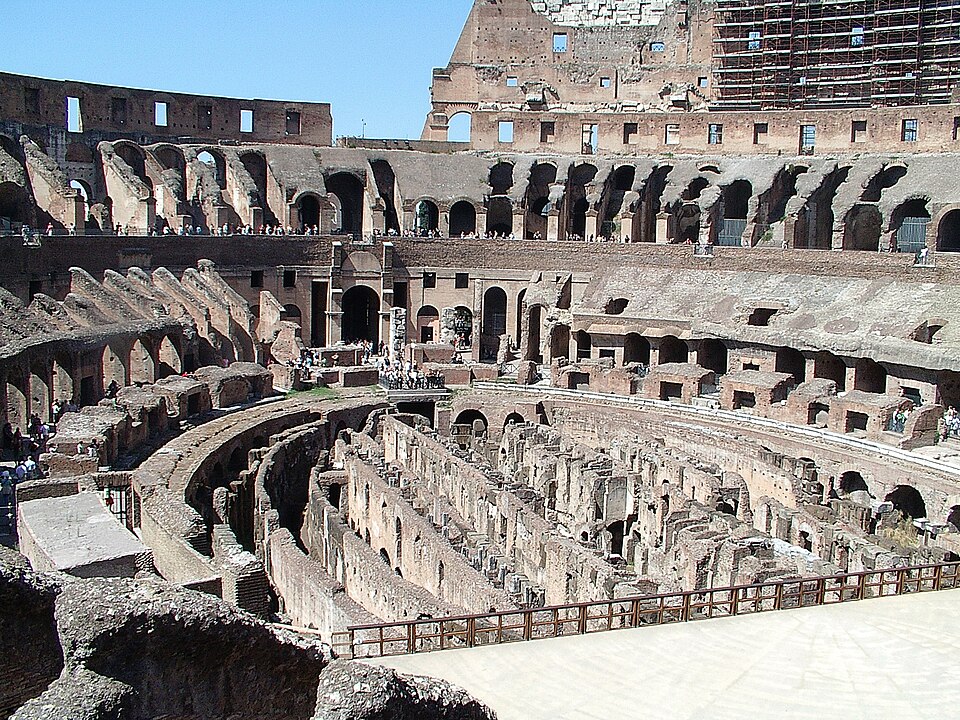
- Colosseum — The largest ancient amphitheatre ever built, located in the center of Rome.
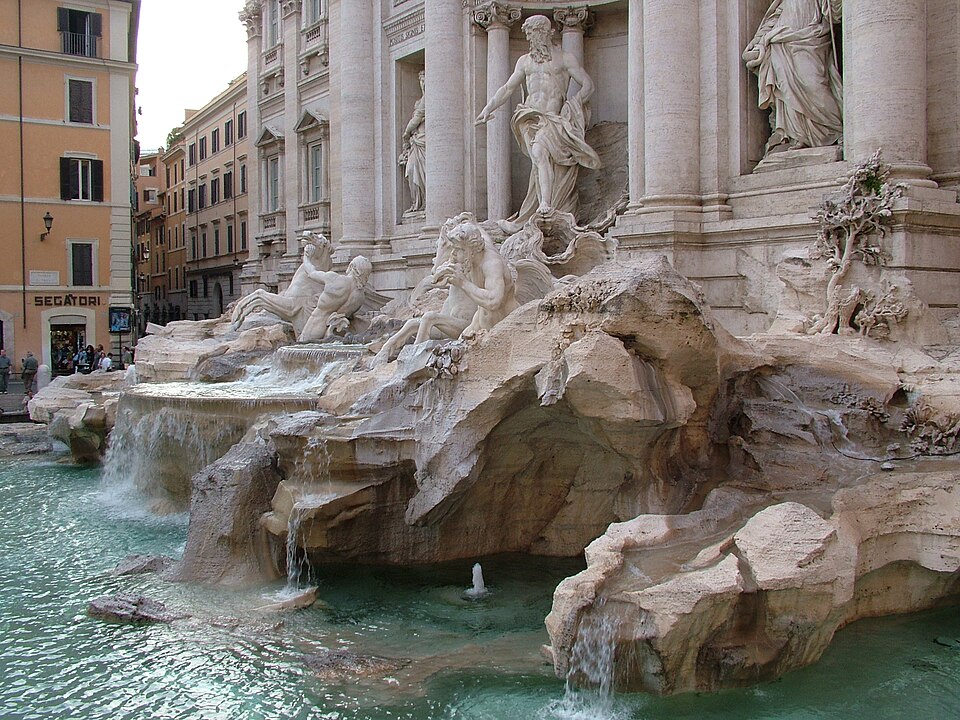
- Trevi Fountain — The largest Baroque fountain in the city and one of the most famous fountains in the world.
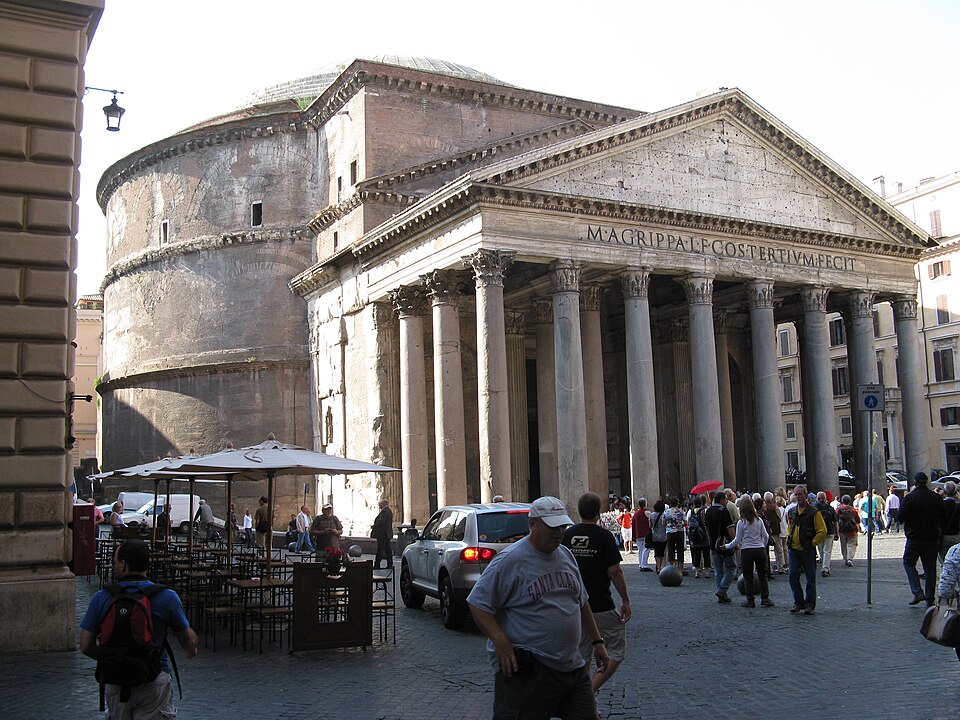
- Pantheon — A former Roman temple, now a Catholic basilica, renowned for its magnificent concrete dome.
Local dishes
- Carbonara — Pasta with guanciale (cured pork cheek), egg, pecorino romano, and black pepper — no cream in the traditional recipe.
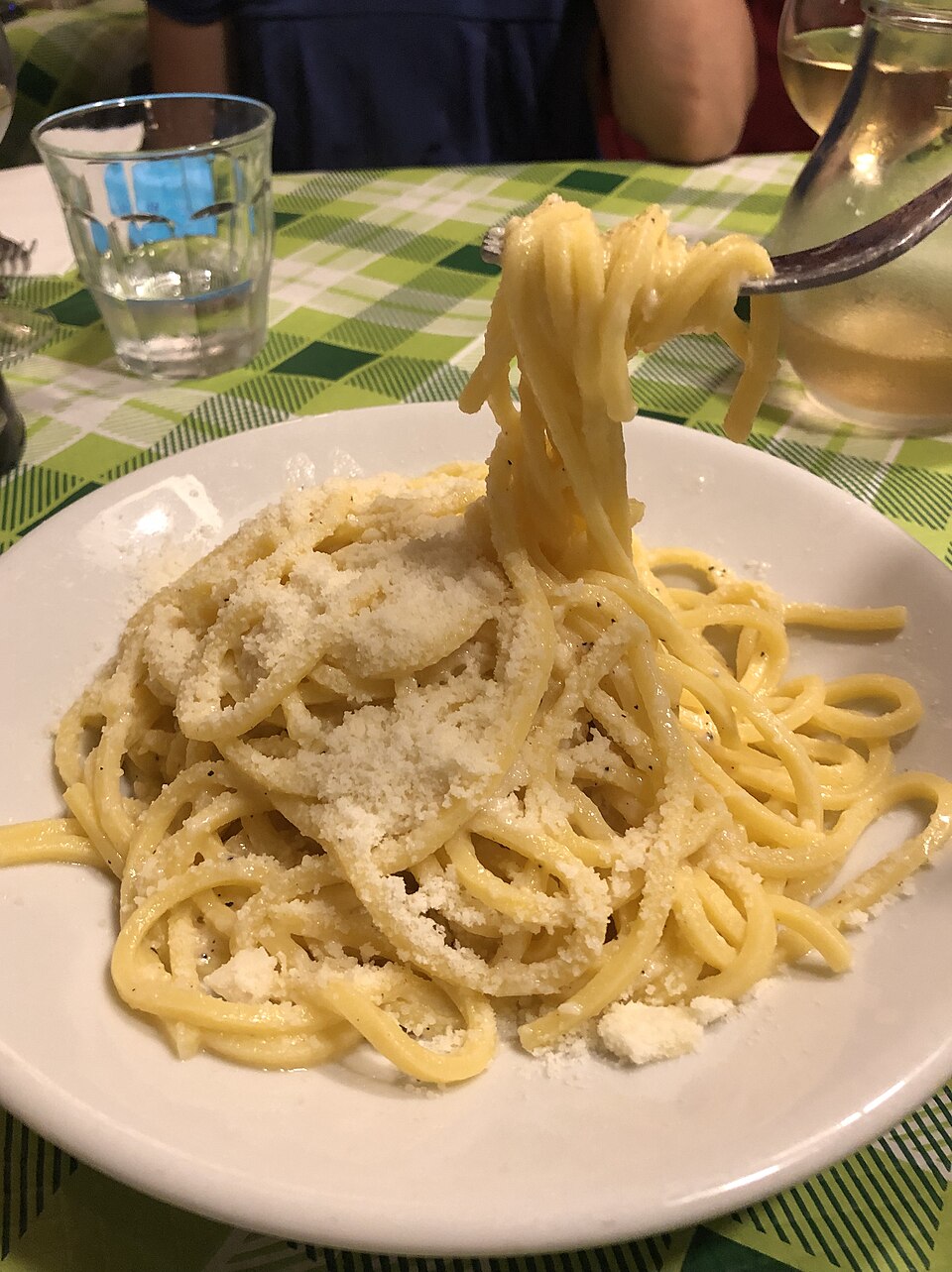
- Cacio e pepe — The simplest of Roman classics: just pecorino romano and black pepper coating the pasta.
- Amatriciana — Tomato, guanciale, and pecorino romano, originally from the nearby town of Amatrice.
- Carciofi alla giudia — Whole artichokes deep-fried until crisp, a signature dish of Rome's Jewish-Roman tradition.
- Maritozzo — A soft sweet bun filled with whipped cream, the breakfast (or snack) Romans love most.
Practical info
Getting around
The historic centre is best explored on foot, but for longer distances the metro is fastest: Line A links Termini station to the Vatican via Piazza di Spagna, while Line B reaches the Colosseum and the Roman Forum. It's worth avoiding rush hour, roughly 8-9am and 6-7pm, when trains fill up. The bus network is extensive but slowed by traffic; if you have time, walking is still the best way to find hidden alleys and squares.
When to go
April-May and September-October bring the most pleasant weather and more manageable crowds than the summer peak. July and August are hot and heavily touristed, with Ferragosto (15 August) closing many shops and businesses for the holiday. Winter is mild with far fewer visitors, ideal for seeing the famous sights without the queues.
Good to know
- Many museums and archaeological sites close one day a week, often Mondays — always check opening hours before planning a visit.
- Water from the nasoni fountains is safe to drink and free: bring a refillable bottle.
- Lunch and dinner keep fairly fixed hours, typically 1-3pm and after 7:30pm — many restaurants close in between.
- A small "bread and cover" charge on the bill is standard and isn't a tip; rounding up for good service is appreciated but not expected.